
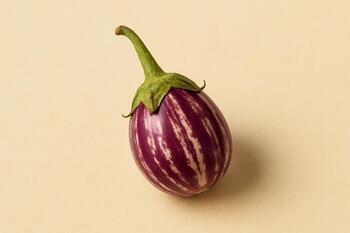
Season deck: what’s ripe right now
Our produce turns with India’s sky. This quick deck shows three lanes—Summer, Monsoon, and Winter— each with a signature that guides the week’s cooking.

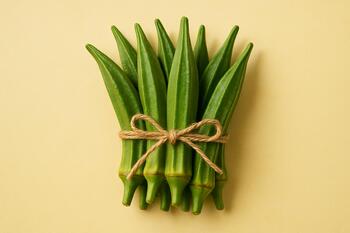
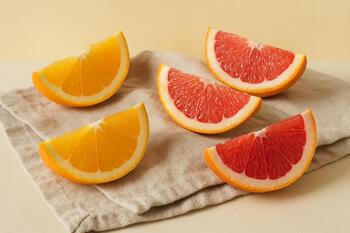
Variety atlas: notes by terroir
Three field favorites with quick origin notes. Hover or tap to reveal tasting cues.
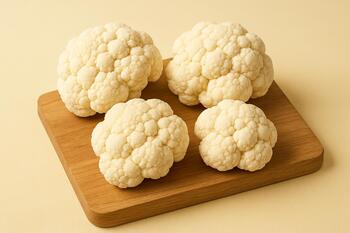
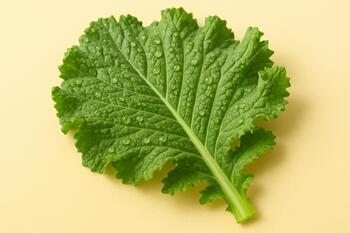
Texture lab: cooking that respects structure
Choose a method to see how we aim for snap, silk, or caramel notes. Buttons switch the guide; numbers are illustrative.
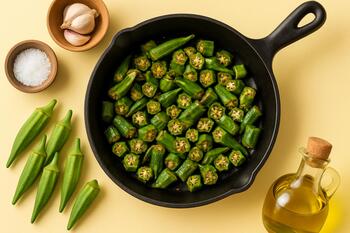
Okra
- Snap
- Silk
- Caramel
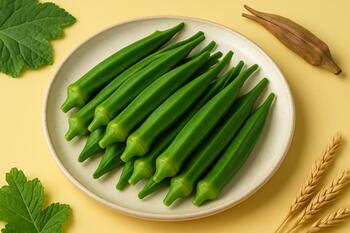
Okra (steamed)
- Snap
- Silk
- Caramel
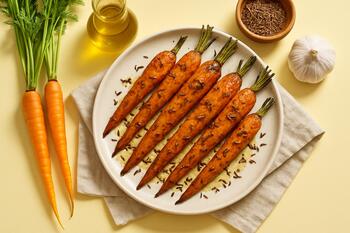
Carrot
- Snap
- Silk
- Caramel
Crate builder: mix by mood
Tap a mood to filter. These are sample picks; availability rotates with fields.
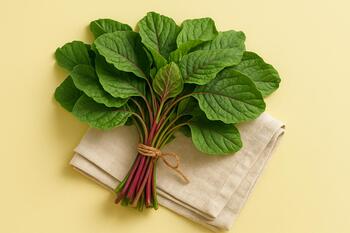
Amaranth greens
Silky wilt with garlic and ghee; gentle mineral finish.
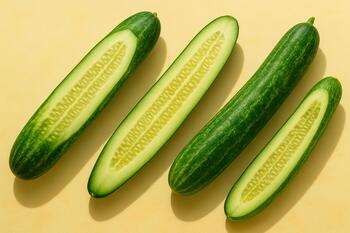
Desi cucumber
Cool crunch; lime + rock salt is all it needs.

Mango wedges
Saffron perfume from laterite hills; serve chilled.
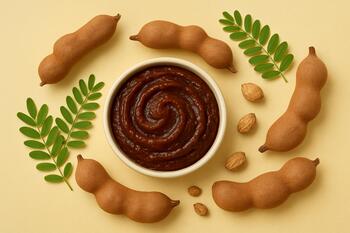
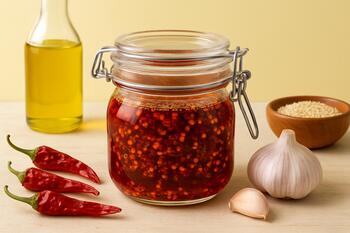
Spice & acid board: small jars, big balance
Three pantry nudges that brighten produce without hiding it.

Route diary: short and calm
A three-step day that keeps flavor intact. The line fills as you scroll.

Dawn • field
Pick while cool; sort by size so batches cook evenly at home.
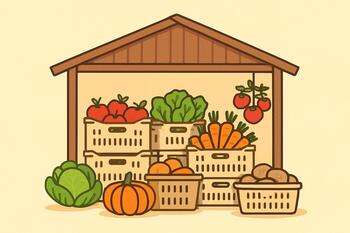
Midday • pack shed
Breathable crates; quick labels for plot, row, and time.

Evening • town pop-up
Tastings and handover; leftovers go to staff meal, not waste.
Cut & keep: small prep that protects texture
Three quick preps and how to hold them without losing snap or scent.
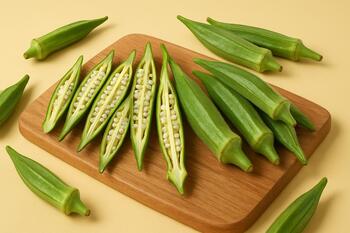
- Wipe knife between cuts; less stick.
- Hold uncovered 15 min; surface dries for better sauté.
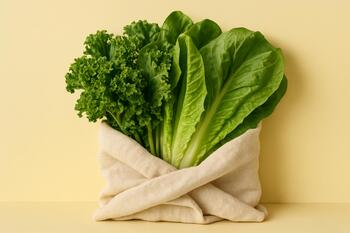
- Remove thick stems for quick wilt.
- Towel + vented box in crisper keeps leaves calm.
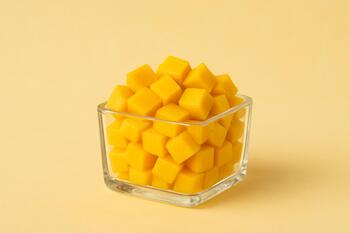
- Glass box with paper liner; lid loose for 10 min.
- Chill before serving; add a pinch of salt.
Pan & heat: choose the surface, steer the result
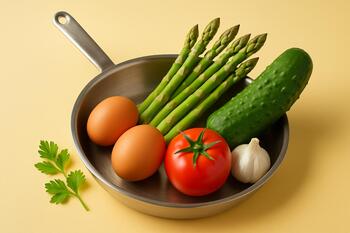
Pick a pan for the finish you want—snap, gloss, or slow perfume.

Freshness checks: three tiny tests
No gadgets—just touch, sound, and scent to judge crates at a glance.

Snap
Beans and greens should **snap** cleanly. A bend without break means older stock.
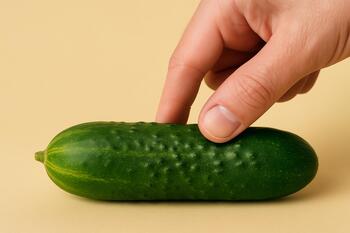
Press
Press a cucumber lightly—flesh should spring back, not hold a dent.

Smell
Smell near the stem: warm, floral scent says ripe; sour edge means past its best.
Micro-season window: three shifts inside one season
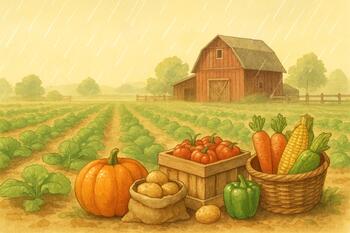
Early rains, peak showers, clear skies — flavors move in small steps. Slide the window.
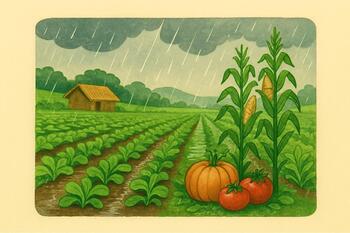

Prep rituals: tiny habits that protect flavor
Seeds, rinse, rest — three calm moves that make cooking faster and kinder.

Label seeds by row
Simple tags keep harvest lots consistent, so your pan time doesn’t jump around.
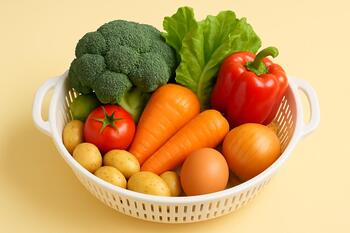
Rinse, not blast
Low pressure saves skins and water. Drain in a basket; no soaking swells the fibers.
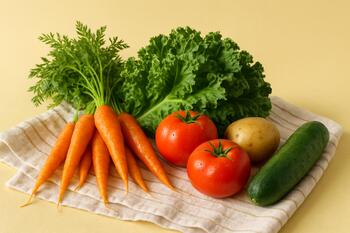
Rest on cotton
Ten quiet minutes on cloth let surface moisture leave, so greens take heat calmly.
Packaging we trust: breathable, reusable, simple
Crates and wraps that travel well and go back into the loop.
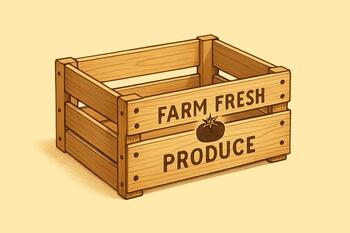
Field crate
- Rigid sides prevent bruising.
- Stacks with airflow gaps.
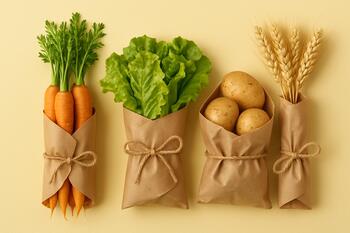
Paper wrap
- Breathable shield for citrus.
- Composts cleanly; no inks.
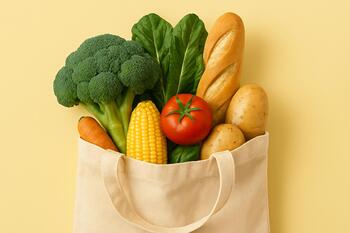
Cotton bag
- For short hops to pop-ups.
- Durable, washable, loops back.
Yield math: quick grams-to-plates guide
Slide to plan dinner. Numbers are friendly estimates for home pans.
Total greens
360 g
Trim leaves only; stems optional.
Pan size
24–26 cm
Wide surface keeps steam off.
Heat time
5–7 min
Quick toss with ghee + garlic.
Pairing matrix: three veg × three sparks
Hover or focus a cell to see our cue. Rows/columns highlight for quick reading.
Cumin
Mustard seed
Lime
Okra
Greens
Carrot