Monsoon letters: quiet notes from the fields

Our growers write short letters during the season—tiny dispatches about weather, soil moods, and the way flavor bends when the sky changes. None of this is marketing; it’s a working log, shared so your kitchen can meet the week with a calmer hand.

The monsoon in western India is not a single switch. First drizzle softens dust, then a week of serious rain cools the laterite and wakes wild herbs. In those intervals we adjust harvest time by an hour, set rinse pressure lower than usual, and swap long stews for quick, wide-pan heat. Texture stays brighter, waste drops, and plates feel like the day that produced them.

“We pack with the sound of rain on tin. It slows hands down in the best way.”

Grower profiles: people who shape our crates

These aren’t grand biographies; they’re field portraits—how each person notices weather, what they change first when the season tilts, and why patience beats yield-chasing.

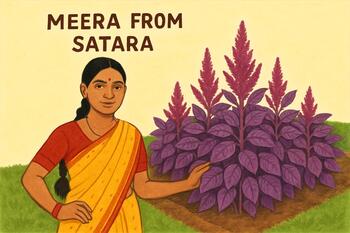
Meera from Satara standing by amaranth beds
Meera • Satara

Meera adjusts by listening

She grows amaranth and mustard greens on a small sloped plot with red soil. When the first rains come late, Meera trims irrigation to a slow drip and harvests at first light. “If leaves squeak when I bunch them,” she says, “I picked too warm.” Her crates often carry a short note for your pan: “cook fast, finish with salt.”

On market days she prefers to talk about texture rather than recipes. “People already know flavor; they need timing,” she laughs, handing out lemon wedges to anyone tasting greens raw.
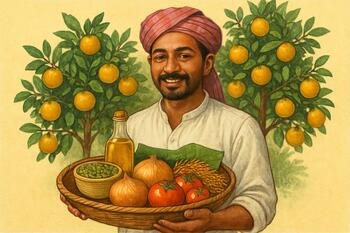
Salim from Konkan with citrus trees behind him
Salim • Konkan

Salim chooses shade over speed

Salim moves crates through a shaded lane behind his shed, even if it adds a few steps. He swears this keeps citrus oils calm. His packing rhythm is unhurried: label, weigh, pause; label, weigh, pause. “It’s not slow,” he says, “it’s a useful quiet.” We have learned to mimic that quiet in the city—no blasts of water, no cramped vans, no corners cut for arrival times.

Ask him for a recipe and you’ll get a shrug: “lime, salt, and a hot pan you can lift with one hand.” It’s not minimalism, it’s respect.

Shed diary: one good day, told plainly

A gentle timeline from dawn to evening. Nothing heroic—just tidy steps that keep flavor steady and waste low. The progress bar fills as you read.

04:55 • First light

The crew walks by the canal road. Someone jokes about the frogs. Okra pods snap neatly, so we pick more than planned; the label reads “early, cool.”

10:10 • Rinse station

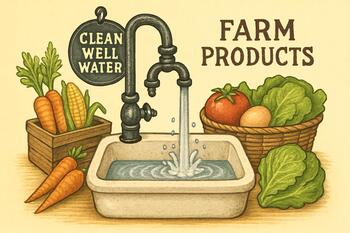
Low pressure, wide baskets. We never soak greens; we let water leave on cotton, then pack loosely. A chalk board tracks each lot and row.

Rinse station with clean well water
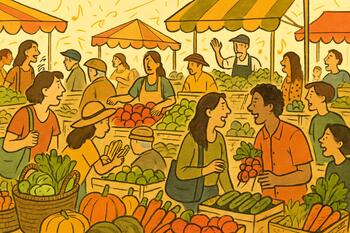
17:45 • Pop-up counter

Tasting spoons and small bowls of citrus salt. We answer the same three questions kindly: how to keep crunch, which pan to use, when to salt. The leftovers become staff dinner; we write tomorrow’s plan on recycled paper sleeves.

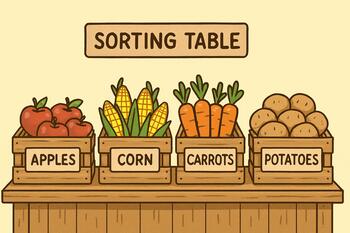
Sorting table with labeled crates

Field notebook: week 27, written in mud and chalk

A small rolling rail of snapshots we share with the team. It’s not pretty on purpose—just true: leaf texture, soil grip, and the little labels that keep lots honest.

Okra leaf with dew, close-up texture
Dew on okra leaf • 06:02
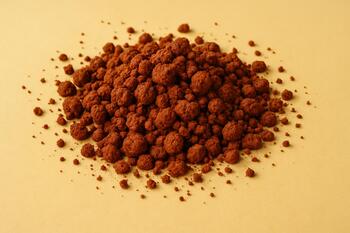
Laterite soil granules after first rain
Laterite waking • 07:18
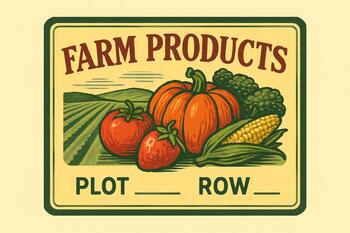
Crate label with plot and row numbers
Plot B • rows 4–6

Kitchen tests: salt timing, pan breath, and what the nose notices

We keep a silly little ritual: test one idea weekly and write it like a postcard to ourselves. Below are two we come back to every monsoon. Tap a tab to read the result.

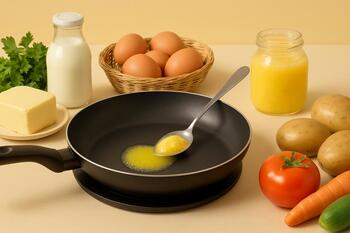
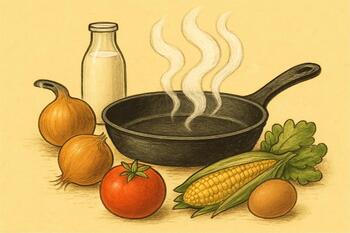
Wide pan heating with a teaspoon of ghee
Wide pan, warm not fierce.
Salt timing for greens

Salt after wilt gives silk without weeping. The pan stays dry, garlic stays golden, and stems keep a clear snap.

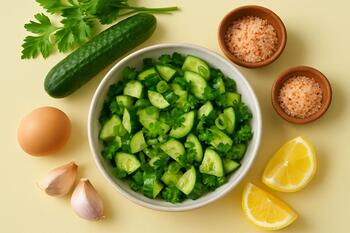
Salad bowl with cucumber and citrus salt
Citrus salt, gentle toss.
Cucumber crunch test

Ten minutes on cotton draws only surface damp; crunch stays friendly and flavors don’t drown under cold.

Pop-up conversations: the questions we hear most

A market stall is a school with paper cups. We answer with the same calm lines each week, and they work because they’re small and specific.

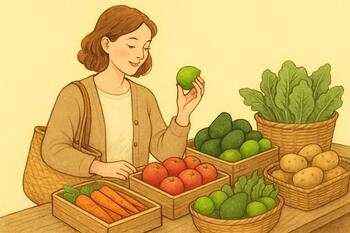
Guest holding a lime at the counter
“When do I add lime?” —
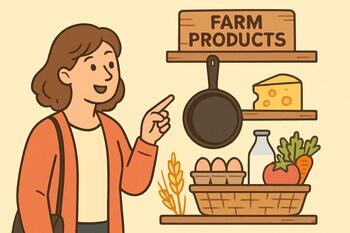
Guest pointing at a pan on display
“Which pan for okra?” —

Monsoon glossary: how we talk about weather and pans

Our team uses short phrases to stay aligned in the rush. Tap a term to open a note; the examples come from last season.

Laterite hush
A twenty-minute calm after heavy rain when the field feels muffled. We avoid picking then; stalks bruise easily.
Pan breath
Space between vegetables that lets steam leave. If the pan doesn’t breathe, edges stew. We widen the surface or split batches.
Frog hour
Local code for first-light when frogs still sing by the canal. The sweetest time to harvest okra—cool and snappy.
Quiet ghee
Ghee warmed just shy of smoke. Garlic blushes, not burns; greens gloss without shouting. Many quick sautés start here.

From crate to plate: a quiet three-step essay

Nothing magical, just attention. A crate that breathes, a pan that isn’t rushed, and a finish that stays bright. Read the steps below and you’ll hear why our cooks talk about texture more than spice.

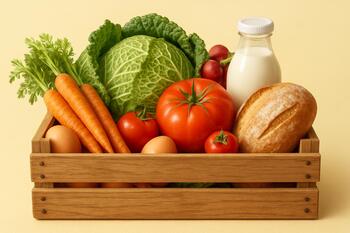
Reusable crate with gaps for airflow
Crate with room to breathe

We use rigid reusable crates so greens don’t slump. A paper liner keeps dust off but never seals the lid. Labels list the plot and the picker—respect makes food better.

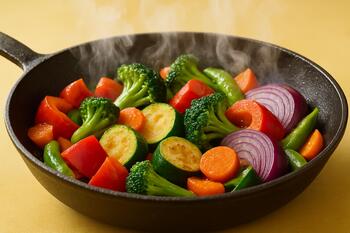
Wide iron pan, gentle sizzle of garlic
Wide heat, no crowding

Pans are heated until garlic sings softly. Vegetables arrive dry and in small batches, so steam escapes. The result isn’t fancy—it’s crisp where it should be.

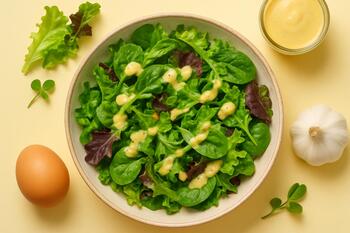
Salad bowl with lime and rock salt ready
Finish that respects scent

Last comes a pinch of rock salt and a squeeze of lime off the heat. Citrus oils stay awake; the bowl smells like a field, not a factory.

Regional postcards: small scenes from our routes

We don’t ship across continents; we travel short, listen closely, and return. These two scenes explain why: salt in the air on the coast, and a slow wind in the hills.

Konkan shore with later afternoon light

Konkan • shore road

Citrus here keeps a faint sea mood. We pack under shade and avoid long vans; the fruit arrives with its oils intact, ready for your cutting board.

Satara hills after rain with clear sky

Satara • hillside plots

Greens from these red soils taste gently mineral. We harvest at first light, label by row, and move quietly so leaves don’t heat up before the city.

The sound of a good pan: what our ears look for

Cooking without panic has a soundtrack. A soft hiss from ghee that never bites, a bright sizzle when pods land dry, and the flat hush that warns a crowding pan. Below, three tiny scenes we use in training.

Preheated iron pan under calm light
Warm iron, breathing space

Quiet ghee

Ghee should whisper, not spit. If garlic blushes pale gold in thirty seconds, the pan is where we want it. Anything louder means moisture or a pan in a hurry.

Right heat: dry okra entering a wide pan
Right heat, dry pods

Bright sizzle

Pods land dry, edges sing, steam leaves quickly. We toss gently and keep the pan wide. This sound is crispness forming, not water fighting to stay.

Overcrowded pan with damp vegetables
Overcrowded, damp, unhappy

Flat hush (danger)

That dull hush is a crowding pan. Water pools, colors fade, and the bite goes sleepy. We split the batch or move to a second pan—respect wins back texture.

Price notes we publish: calm math behind honest crates

We post a short sheet each week: what diesel cost, how long the route ran, and which crop took extra picking time. It keeps us steady and you informed.

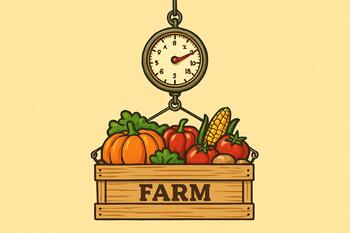
Hanging scale with labeled crate
Scale notes, rounded to 50 g

Weights & lots

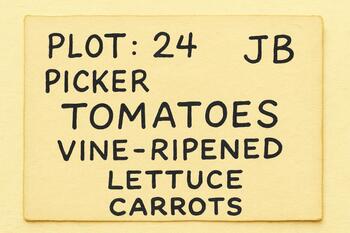
We weigh packed crates, not guesses. Labels carry plot, row, picker initials, and the minute of sealing. If a pan misbehaves, we can trace it cleanly.

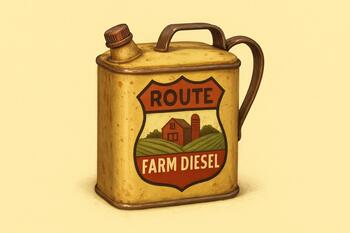
Small diesel can marked for route
Fuel line item

Route & fuel

Short routes save flavor and money. Our coastal loop runs under 90 minutes door to door; we list fuel openly so the price of your salad isn’t a mystery.

Okra: extra picking time in frog hour adds labor, but the snap is worth it. We offset by tighter packing—no air wasted, no bruising.

Leafy greens: rinse pressure low means fewer torn leaves. We accept the slower drain because the pan later runs quicker and brighter.

Citrus: shade-only handling; fuel is the main driver. We keep vans small and return crates the same day, so peel oils arrive intact.

Waste ledger: where leftovers actually go

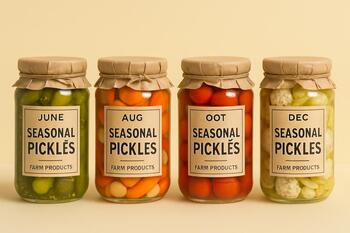
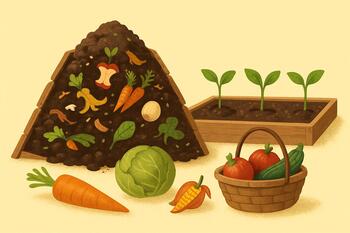
We dislike the word “waste”. Most leftovers become staff meals, pickles, or compost for seed beds. The bars fill as you read; the photos show two paths we use weekly.

Staff meals
Pickles & brine
Compost

Percentages shift by season, but the pattern holds: we feed people first, soil second, and bins almost never.

Jars of seasonal pickles labeled by date
Pickles from the week’s edges—crisp, tart, not a punishment.
Compost heap near seedling bed
Compost pit beside the seed trays: a loop, not a dump.

Tool roll & tiny habits: what travels with us

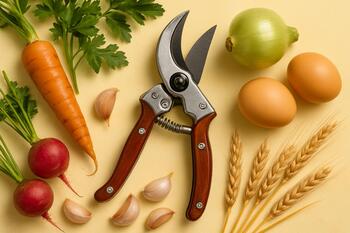
We don’t carry much: a clean pruner, cotton towels, chalk, and a roll of paper sleeves. The objects are ordinary; the way we use them isn’t. Small habits prevent big fixes later.

Hand pruner cleaned and oiled
Pruner • oiled after every shift

A sharp pruner is not about speed, it’s about mercy. Clean cuts close quickly, so stems don’t wick water into the crate. We keep a rag and a drop of oil in the roll.

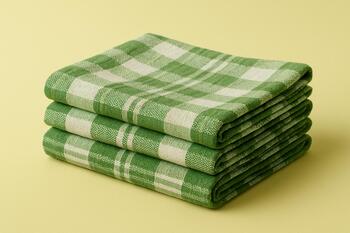
Stack of cotton towels used for greens
Cotton towels • calm drain

Towels replace ice: ten quiet minutes wick surface moisture without shocking leaves. Greens arrive friendly to heat; garlic stays golden, not bitter.

Kitchen notes from homes: what readers sent back

We ask for small truths, not five-star reviews. Below are notes we loved—each is a tiny adjustment with a clear result. Tap to open the details.

“Salt later, kids eat more greens.”
A reader in Pune switched salt to the end and stopped covering the pan. “They chew now, not gulp,” she wrote. We keep her line on our wall.
“Cucumber rests on cloth, not in ice.”
The bowl smells like cucumber again, not like the fridge. Texture is crisp without going hollow—a small win we will always celebrate.

Archive shelf: fragments that taught us

A rolling strip of scraps—chalk boards, date stamps, and the kind of handwriting that makes a team honest. We keep these to remember what worked.

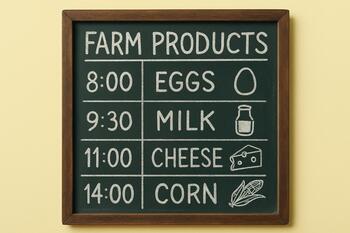
Chalk board with rows and times
Row times • the day stayed tidy because this existed.
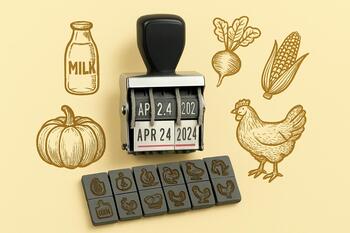
Date stamp with reusable sleeves
Date stamp • we stamp sleeves, not plastic stickers.
Handwritten crate label showing plot and picker initials
Plot & initials • arguments replaced by facts.